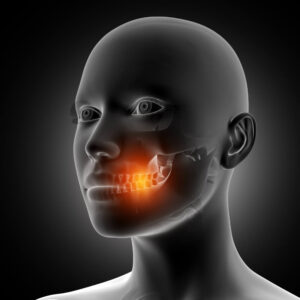

Severe dental pain can be overwhelming and often makes it difficult to eat, sleep, or concentrate. While it may be tempting to ignore it or wait for it to pass, intense tooth pain is usually a sign of an underlying dental problem that needs urgent attention.
Understanding what to do in these situations can help you manage the pain safely and ensure you receive the right treatment as quickly as possible.
Common Causes of Severe Tooth Pain
Severe dental pain can be caused by a number of issues, including:
- Tooth decay that has reached the inner nerve of the tooth
- Dental infection or abscess
- Cracked or broken teeth
- Advanced gum disease
- Impacted wisdom teeth
- Loose or damaged fillings or crowns
Because many of these conditions can worsen quickly, it is important not to delay seeking professional care.
What You Should Do Immediately
If you are experiencing severe tooth pain, follow these steps while arranging an emergency dental appointment:
1. Contact an Emergency Dentist
The most important step is to seek urgent dental care. A dentist will be able to diagnose the cause of your pain and provide appropriate treatment to relieve it. In many cases, early treatment can prevent the problem from becoming more serious.
2. Take Pain Relief (If Suitable)
Over-the-counter pain relief such as paracetamol or ibuprofen may help reduce discomfort. Always follow the recommended dosage instructions and avoid taking medications you are not suitable for.
3. Rinse with Warm Salt Water
Gently rinsing your mouth with warm salt water can help reduce inflammation and keep the area clean, especially if there is irritation or infection present.
4. Avoid Trigger Foods
Try to avoid very hot, cold, sweet, or hard foods that may worsen the pain. Chewing on the affected side should also be avoided.
5. Do NOT Apply Aspirin Directly to the Tooth
Placing aspirin directly on the gums or tooth can cause burns and further damage the tissue.
Why You Should Not Ignore Dental Pain
Even if the pain temporarily subsides, the underlying issue is unlikely to have resolved. Untreated dental problems can lead to:
- Worsening infection
- Increased pain and swelling
- Tooth loss
- Spread of infection to surrounding areas
Early intervention is always the best approach and can often result in simpler, less invasive treatment.
Emergency Dental Care: What to Expect
When you visit an emergency dentist, they will:
- Assess your symptoms and examine the affected area
- Take X-rays if needed to identify the cause
- Provide immediate pain relief where possible
- Offer a clear treatment plan tailored to your situation
The priority is always to relieve pain quickly and address the underlying cause.
When to Seek Urgent Help Immediately
You should seek emergency dental care as soon as possible if you experience:
- Severe, constant tooth pain
- Swelling of the face or jaw
- Fever alongside dental pain
- Difficulty swallowing or opening your mouth
- Trauma or a knocked-out tooth
Final Advice
Severe dental pain should never be ignored. The sooner you seek treatment, the better the outcome is likely to be. Prompt care can often save teeth, prevent complications, and bring rapid relief.
If you are experiencing severe tooth pain, contact our Emergency Dentist Stanmore immediately for assessment and treatment.